
What Is Tree Trimming?
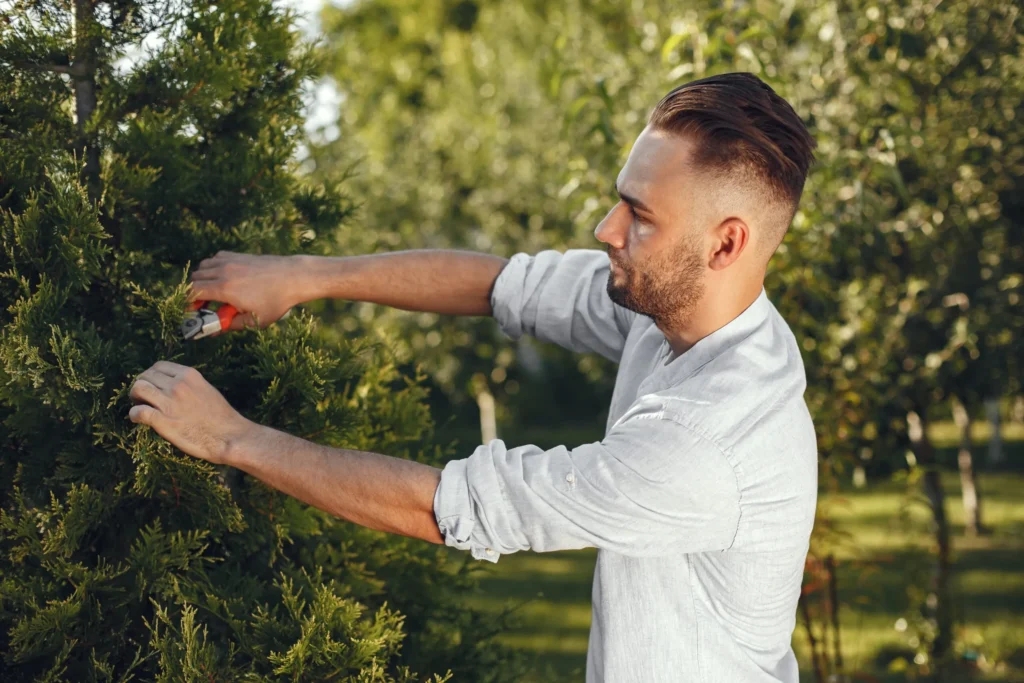
Tree trimming is primarily a landscaping practice focused on the exterior appearance and immediate utility of the plant — think of it as the grooming stage of property management. 3mgTrimming is performed on the outer edges of the canopy — cutting back overextended branches to control size, improve shape, and maintain clearance from structures, utility lines, and neighboring properties. It’s the service most Orlando homeowners recognize: the crew comes in, shapes the tree, removes obvious overhang, and leaves the canopy looking cleaner and more contained.When trimming is the right call:- Branches are overhanging your roof, gutters, driveway, pool, or fence
- The tree has grown too large for its space and needs size management
- Pre-hurricane season clearance work — removing overhang before June 1
- Aesthetic shaping of ornamental trees and palms
- Maintaining HOA-required clearance standards
What Is Tree Pruning?
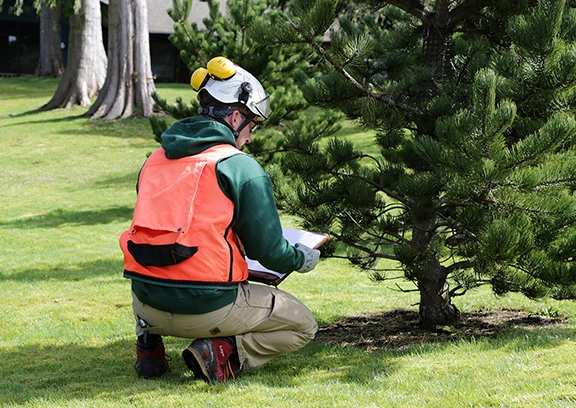
While trimming addresses what we see on the surface, tree pruning is a more intensive and specialized process that focuses on the internal health and structural integrity of the tree. 3mgPruning involves making specific, deliberate cuts inside the canopy — removing dead wood, diseased limbs, crossing branches that rub and create wound sites, water sprouts, suckers, and structurally weak branches that could fail under load. Every cut in a pruning job is purposeful: made at the correct branch union to promote proper callusing, timed to minimize disease transmission, and sized to maintain the foliage-to-root ratio the tree needs to stay healthy.When pruning is the right call:- Dead or diseased branches need removal before they spread or fail
- Two major branches are crossing and creating wound sites where they rub
- The tree has developed a structurally weak co-dominant stem that needs correction
- Post-storm assessment — removing damaged wood and reducing load on compromised sections
- Young tree training — establishing a strong branch structure early prevents major problems later
- Tree has signs of pest or fungal infection that require targeted removal
Tree Pruning vs Trimming: Key Differences Side by Side
| Tree Trimming | Tree Pruning | |
| Primary goal | Appearance + size control | Tree health + structural integrity |
| Where cuts are made | Outer canopy edges | Inside canopy at branch unions |
| What’s removed | Overgrown outer branches | Dead, diseased, crossing, weak branches |
| Tools used | Shears, loppers, hand saw | Pruning saw, pole pruner, chainsaw |
| Who performs it | Can be general crew | Should be qualified tree-risk assessor |
| Timing | Flexible — follow growth cycle | Species-specific — critical to get right |
| Frequency | 1–2x per year | Annually or as needed |
| Effect on tree health | Minimal direct health impact | Direct positive health impact |
| Risk if done wrong | Aesthetic damage, structural issues | Disease entry, structural failure |
Which Does Your Orlando Tree Need — Trimming or Pruning?
Use this quick guide to determine which service applies to your situation:Your tree needs trimming if:- Branches are touching or overhanging your roof, pool screen, or fence
- The canopy has grown beyond the space you want it to occupy
- You’re preparing for hurricane season and want to reduce wind-catch surface
- An HOA letter has requested maintenance on overgrown trees
- The tree looks messy or unshapely from the street
- You can see dead branches in the canopy that haven’t fallen yet
- Two branches are visibly rubbing against each other creating wound sites
- The tree has had a disease or pest problem recently
- You notice unusual die-back in sections of the canopy during growing season
- A storm damaged sections that need proper removal at branch unions
- You have a young tree you want to train into a strong long-term structure
- It hasn’t had professional attention in 2+ years
- It’s a mature live oak, water oak, or laurel oak — Orlando’s most common problem species
- It came through last hurricane season with visible damage
Pruning vs Trimming for Common Orlando Tree Species
Different species in Central Florida have specific needs that affect whether trimming, pruning, or both are the right approach:Live Oaks
Live oaks are Orlando’s most important and most complex species. They require structural pruning to manage their massive spreading canopy and reduce wind-load before hurricane season. Live oaks are prone to overcrowded canopies where pruning improves airflow. Never top a live oak — that’s irreversible structural damage. Trimming alone is insufficient for a mature live oak; pruning for structure is essential.Palms
Palms need trimming only — remove dead, brown, or hanging fronds. They don’t have a branch structure to prune the way hardwoods do. The critical rule for palms in Orlando: never over-trim. Removing green fronds weakens the palm and reduces its hurricane resistance. Remove only brown or clearly dead fronds, and leave all green fronds intact regardless of appearance. “Hurricane cuts” that strip all but the top cluster of fronds are actively harmful.Crape Myrtles
Crape myrtles need light trimming to shape and remove old flower heads — never heavy cuts at the top. Crape myrtles should be pruned lightly after bloom; avoid aggressive topping. “Crape murder” — the practice of severe annual topping that leaves flat-topped stumps — is still common in Orlando and is the most damaging thing you can do to this species.Laurel Oaks and Water Oaks
These fast-growing species require regular pruning to remove structurally weak wood — they’re more prone to internal decay and storm failure than live oaks. Annual pruning visits are worth the investment given their failure rate in Central Florida storms.For the full picture on why regular tree maintenance protects your property, see our guide on tree trimming benefits for Orlando homeowners.When to Call a qualified tree-risk assessor for Either Service
Light trimming of small branches under 2 inches in diameter is a reasonable DIY task for most homeowners. Everything beyond that should involve a professional — and for pruning, a qualified tree-risk assessor specifically.Always call a professional for:- Any work above 10 feet requiring a ladder or climbing equipment
- Live oaks and heritage trees subject to Orlando’s tree protection ordinances
- Branches near utility lines — contact your utility company first
- Any pruning cuts on trees 6 inches or larger in diameter
- Post-storm damage assessment and removal
Frequently Asked Questions About Tree Pruning vs Trimming in Orlando
What is the difference between tree pruning and tree trimming? Tree trimming focuses on appearance and size control — shaping the outer canopy, maintaining clearance from structures, and controlling growth. Tree pruning focuses on tree health and structural integrity — removing dead, diseased, crossing, or structurally weak branches from inside the canopy at specific branch unions following ANSI A300 standards. Most homeowners need both services regularly, but they serve different purposes and require different expertise. For large trees, pruning should always be performed by a qualified tree-risk assessor.Do Orlando trees need pruning or trimming before hurricane season? Most Orlando trees need both before June 1 hurricane season. Trimming reduces wind-catch surface by removing overhang and controlling canopy size. Pruning removes structurally weak and dead branches that will become projectiles in storm winds regardless of where they’re positioned in the canopy. A full pre-hurricane service visit by a qualified tree-risk assessor addresses both in a single job and is the most cost-effective storm preparation investment available for Orlando homeowners.Can I trim or prune my own trees in Orlando? Light trimming of small branches under 2 inches in diameter is generally safe for homeowners on ground-level growth. Pruning large trees, any work above 10 feet, and any cuts near utility lines require professionals. Improper pruning cuts — stub cuts, flush cuts, or cuts made at the wrong season — create disease and pest entry points in Florida’s humid climate. For live oaks and heritage trees subject to Orlando’s tree protection ordinances, improper pruning can also result in fines.When is the best time for tree pruning vs trimming in Orlando FL? Trimming timing is flexible — follow the tree’s growth cycle, typically 1–2 times per year. Pruning timing is species-specific and more critical: most Orlando trees benefit from structural pruning in late winter or early spring (January–March) before new growth and before hurricane season. In Central Florida, many plants naturally slow their growth during the cooler months — pruning during this period places less stress on the plant and encourages strong, healthy growth when spring arrives. Live oaks should be pruned in late winter or early fall to minimize oak wilt transmission risk. Florida Climate CenterNeed Tree Trimming or Pruning in Orlando FL? Get an Estimate.
Whether your trees need a cleanup trim before hurricane season or a full structural pruning assessment from a qualified tree-risk assessor, we’ll tell you exactly what’s needed and provide a written estimate before any work begins.This covers tree trimming and pruning in Orlando FL for residential and commercial properties across Orlando, Winter Park, Kissimmee, Sanford, and all of Orange County. No pressure. Documented service records. Complete cleanup included.Call(407) 853-8735 — free tree trimming and pruning estimates across Central Florida.For pruning done to standard, see our tree pruning service in Orlando.